

Summer Flying: Maintenance Tips for Hot Weather Conditions
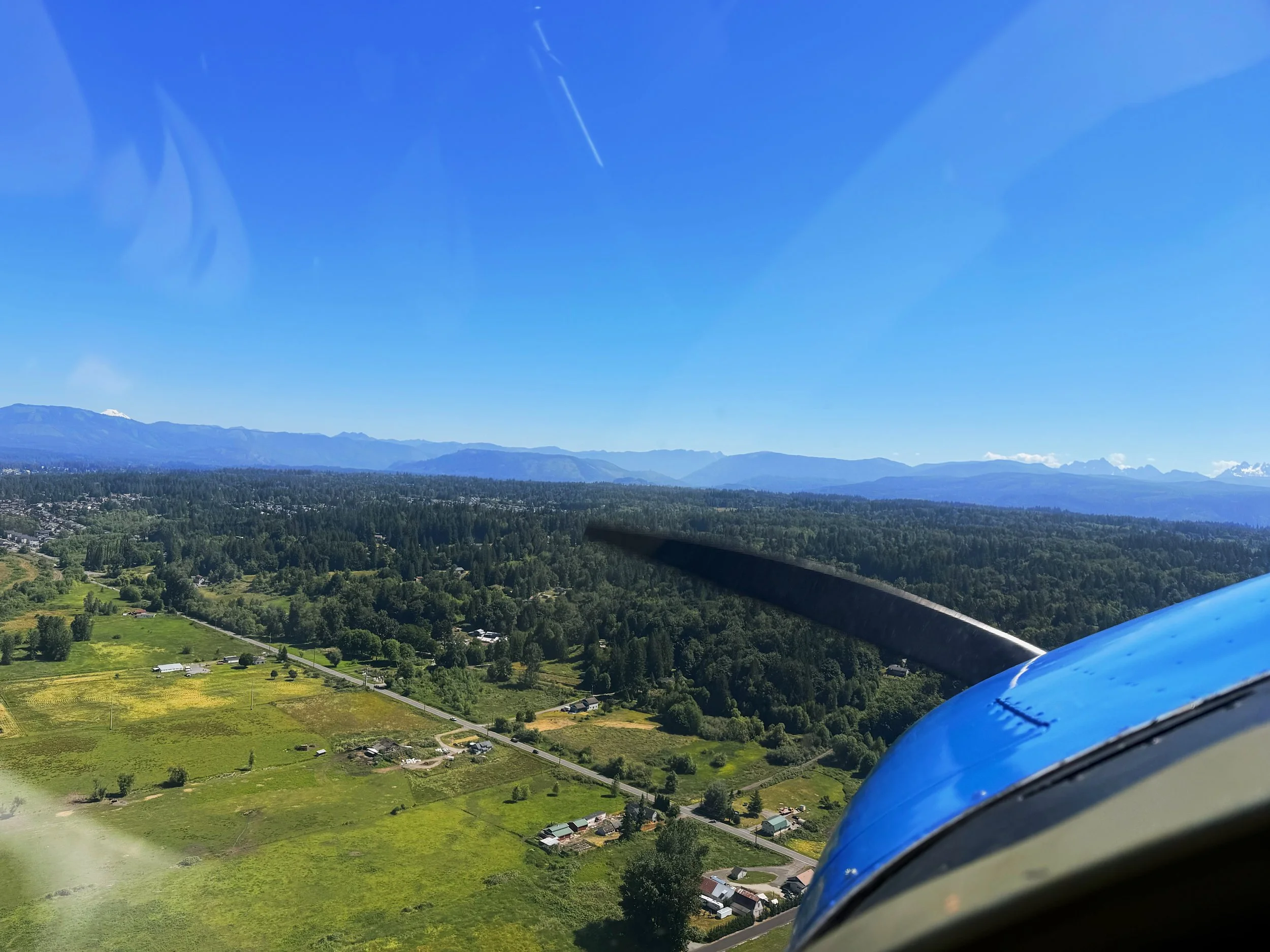
Summer is one of the busiest flying seasons of the year. Clear skies, longer daylight hours, and family vacations make it the perfect time to take to the air. However, high temperatures can place additional stress on both aircraft and pilots. Taking a few extra maintenance precautions before and during the summer months can help keep your aircraft reliable, efficient, and safe.
Here’s what every aircraft owner should keep in mind when temperatures start climbing.
Heat Takes a Toll on Aircraft Performance
Most pilots are familiar with the concept of density altitude, but it’s worth remembering just how much it affects your airplane.
As temperatures rise, the air becomes less dense, which means:
Longer takeoff rolls
Reduced climb performance
Lower engine and propeller efficiency
Reduced wing lift
While this is primarily an operational consideration, maintenance plays an important role in ensuring your aircraft performs as efficiently as possible. An engine that’s slightly out of tune or spark plugs that aren’t firing optimally may not be noticeable on a cool spring morning—but on a 95°F summer afternoon, those small inefficiencies can become much more significant.
Monitor Engine Cooling
Heat is one of an engine’s biggest enemies.
During summer operations, pay close attention to:
Cylinder Head Temperatures (CHT)
Oil temperature
Exhaust Gas Temperatures (EGT)
If your engine consistently runs hotter than normal, it could indicate:
Dirty or damaged cooling baffles
Worn baffle seals
Improper ignition timing
Lean fuel mixture
Restricted airflow through the cowling
Ignoring elevated temperatures can shorten engine life and lead to expensive repairs.
Check Your Battery
Aircraft batteries dislike extreme temperatures.
High heat accelerates battery deterioration and increases water loss in serviceable batteries.
Before your summer flying season:
Inspect battery terminals for corrosion.
Verify secure mounting.
Check electrolyte levels if applicable.
Perform a capacity test if the battery has been showing signs of weakness.
A healthy battery is especially important when you’re making multiple stops throughout a long cross-country trip.
Inspect Tires Before Every Trip
Ramp temperatures can easily exceed 120°F during the summer.
As tires heat up, pressure changes can reveal weak spots or existing damage.
Look for:
Proper inflation
Sidewall cracks
Uneven tread wear
Cuts or foreign objects
Underinflated tires create additional heat and wear, increasing the likelihood of a flat during taxi or landing.
Keep an Eye on Oil
Oil works harder during hot weather.
Check:
Oil level before every flight
Oil leaks around the engine
Oil condition during inspections
If your aircraft seems to be consuming more oil than normal, it’s worth having a mechanic investigate before a minor issue becomes a major repair.
Fuel Management Matters More in Summer
Hot temperatures increase the likelihood of fuel vapor formation and contamination issues.
Best practices include:
Fuel early in the morning when possible.
Keep tanks full if storing the aircraft to reduce condensation.
Always sump the tanks before flight.
Be aware of vapor lock concerns in certain aircraft.
Clean fuel is one of the easiest ways to prevent unnecessary engine problems.
Protect Your Aircraft from the Sun
Ultraviolet exposure damages more than just paint.
Extended sun exposure can:
Dry out seals and weatherstripping
Fade interiors
Crack plastic components
Damage avionics displays over time
Whenever possible:
Hangar your aircraft.
Use a quality canopy or windshield cover.
Install control locks.
Use wing and engine covers if parking outside for extended periods.
Protecting your aircraft’s appearance also helps preserve its long-term value.
Don’t Forget the Cabin
A parked aircraft can quickly become an oven.
Extreme cabin temperatures can affect:
Upholstery
Plastics
Electronics
Adhesives
Headsets and portable equipment
Allow the cabin to ventilate before startup and avoid leaving sensitive electronics inside for long periods.
Schedule Maintenance Before Peak Flying Season
Summer is often the busiest time of year for maintenance shops.
Waiting until the week before a vacation to schedule repairs or an inspection may leave you grounded.
Planning maintenance early allows time to:
Address discrepancies
Order parts
Complete inspections
Test-fly repairs if necessary
A little planning can prevent a cancelled trip.
Fly More, Worry Less
The best flying season should also be your safest.
Routine inspections, preventive maintenance, and paying attention to the effects of hot weather can help you avoid unexpected breakdowns while protecting your investment.
At Pacific Aviation Solutions, we help aircraft owners stay ahead of maintenance issues before they become costly repairs. Whether your aircraft is due for an inspection, troubleshooting, or routine service, our team is here to keep you flying safely throughout the summer.
Ready for your next adventure? Schedule your maintenance today and enjoy the flying season with confidence.
