

Aircraft Maintenance Myths We Wish Would Disappear
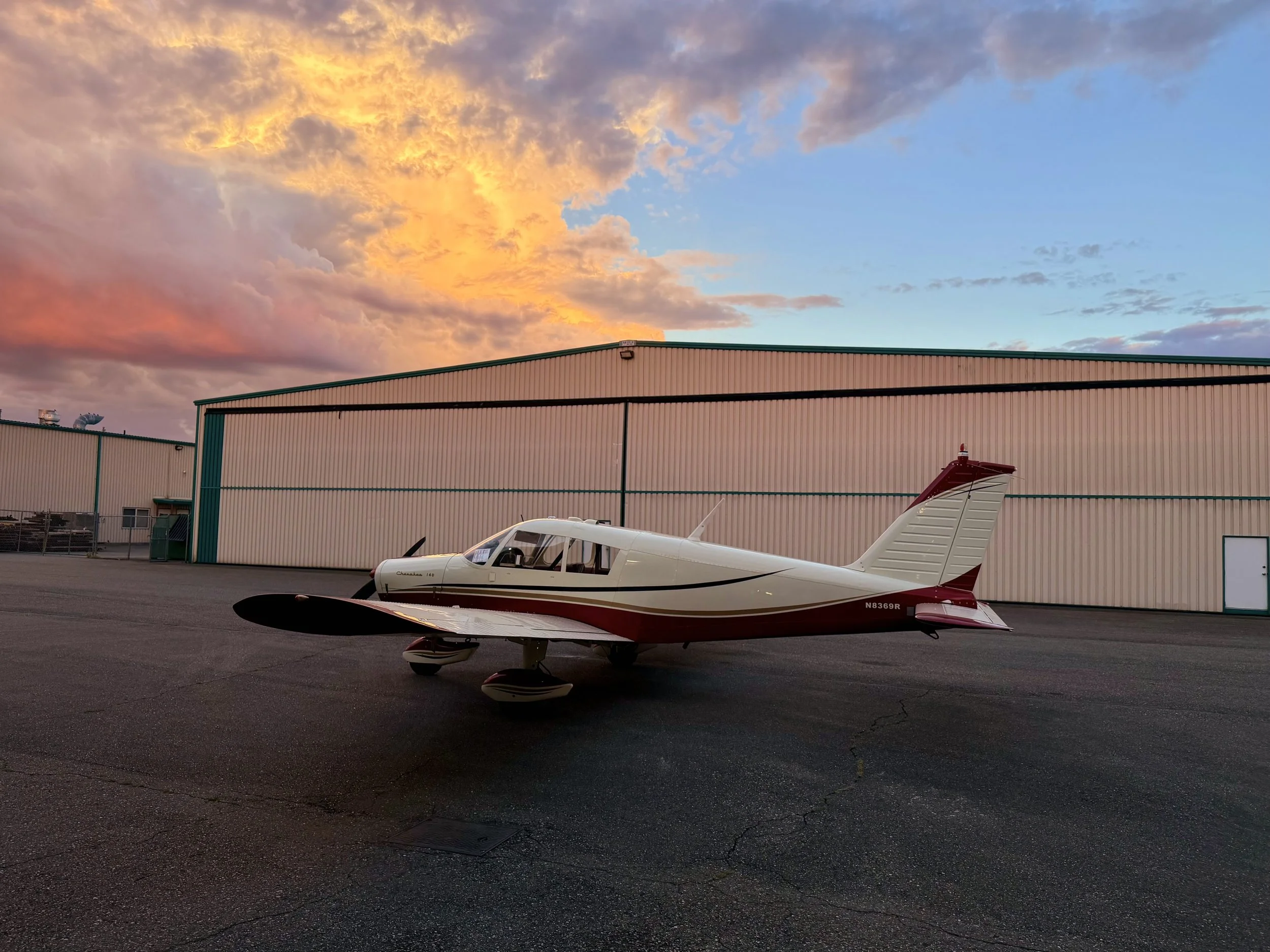
Aviation has no shortage of opinions. Spend enough time around an airport, and you’ll hear everything from genuinely great advice to maintenance “wisdom” that has somehow survived longer than some of the airplanes we work on.
At Pacific Aviation Solutions, we love when aircraft owners want to understand their airplanes and be involved in their maintenance. But there are a few myths we’d happily see disappear from the hangar forever.
So, let’s clear up a few of our favorites.
Myth #1: “It just passed annual, so nothing should be wrong with it.”
An annual inspection determines whether an aircraft meets the applicable airworthiness requirements at the time of the inspection. It isn’t a guarantee that nothing will break for the next 12 calendar months.
Aircraft are machines. Components wear. Seals leak. Hardware loosens. Electrical components fail. Things change with hours, cycles, weather, storage conditions, and plain old age. Passing an annual doesn’t make an airplane invincible—it means the aircraft was inspected and found airworthy at that point in time. That’s why paying attention to changes between inspections matters.
Myth #2: “I barely fly it, so it shouldn’t need much maintenance.”
We understand the logic. Fewer hours should mean less wear, right?
Sometimes. But airplanes don’t necessarily enjoy sitting. Inactivity can bring its own problems, including corrosion, moisture accumulation, battery deterioration, dried or aging seals, tire issues, fuel-related problems, and engine concerns. Aircraft engines in particular benefit from being operated properly and regularly. An airplane that flies 20 hours a year isn’t automatically going to need less attention than one that flies 100. Sometimes, the airplane sitting quietly in the corner of the hangar is the one we need to worry about.
Myth #3: “The compressions are good, so the engine is good.”
Compression readings are useful information—but they’re only one piece of the puzzle.
Engine condition can also be evaluated through things like oil consumption trends, oil and filter inspection, borescope findings, operating history, pilot-reported symptoms, engine monitor data, and other inspections or troubleshooting when warranted. A compression number by itself doesn’t tell the entire story. We like data. We like trends even more.
Myth #4: “If it isn’t leaking badly, it’s fine.”
Aircraft engines have a special talent for making their presence known with oil. A little staining and an active leak, however, aren’t necessarily the same thing—and the important question isn’t simply how much fluid you’re seeing.
It’s where it's coming from, and why?
A small leak can sometimes be an early clue to a developing problem. Rather than automatically dismissing it or immediately assuming catastrophe, identify the source and determine what’s actually happening. Your airplane may be trying to tell you something.
Myth #5: “We can just replace parts until the problem goes away.”
Technically, you could throw parts at a problem.
Your wallet may have some opinions about that troubleshooting strategy. Good troubleshooting is about understanding the system, verifying the complaint, gathering information, testing likely causes, consulting the appropriate maintenance data, and narrowing the problem down before replacing components unnecessarily. Sometimes the obvious suspect really is the problem. Sometimes it absolutely isn’t. Diagnosing first can save time, money, and frustration.
Myth #6: “If something were seriously wrong, I’d notice it while flying.”
Hopefully, but that’s not something we want to depend on.
Some aircraft problems develop gradually. The change may be subtle enough that a pilot adapts to it without realizing anything has changed. Other problems may produce few noticeable symptoms until they’ve progressed considerably. That’s one reason inspections and preventive maintenance exist. Finding a problem in the hangar is generally preferable to discovering it in the air.
Myth #7: “All annual inspections are basically the same.”
The regulatory requirements don’t change based on which shop you visit, but the condition, history, configuration, and maintenance needs of every airplane are different.
A well-maintained aircraft with organized records and consistent maintenance history may present very differently from an airplane with incomplete documentation, years of deferred discrepancies, questionable repairs, or long periods of inactivity. An annual isn’t simply checking boxes. Your aircraft’s history matters.
Myth #8: “My mechanic is just being picky.”
Sometimes we hear:
“The last mechanic never mentioned that.”
That doesn’t automatically mean the current mechanic is trying to create work. Aircraft conditions change. Different inspections may reveal different things. Components deteriorate over time, and something acceptable or unnoticed previously may require attention now. And ultimately, an A&P or IA has responsibilities associated with the work and inspections they perform and the records they sign. If you don’t understand why something has been identified, ask. A good maintenance relationship should include communication. We want owners to understand what we’re seeing, why it matters, and what the next steps are.
Myth #9: “It’s an old airplane. They’re all like that.”
Yes, many general aviation airplanes have been flying for decades. And honestly, that’s pretty incredible. Age can explain why we encounter certain maintenance issues, but it doesn’t automatically make every condition acceptable. Corrosion, deteriorated hoses, aging wiring, worn hardware, old repairs, brittle components, and decades of modifications deserve attention—not a shrug followed by, “Well, it’s a 1970s airplane.” Old airplanes can be fantastic airplanes. They still deserve proper maintenance.
Myth #10: “Maintenance is just something I deal with once a year.”
This may be the biggest myth we’d like to retire.
Aircraft maintenance shouldn’t begin when you drop the airplane off for annual and end when you pick it up. Pay attention throughout the year. Track oil consumption. Notice new vibrations, smells, sounds, leaks, starting behavior, temperatures, pressures, and changes in performance. Keep your records organized. Stay ahead of recurring inspections and Airworthiness Directives. Address small discrepancies before they have the opportunity to become large ones. Most importantly, communicate with your mechanic.
Your Mechanic Isn’t Just There for Annual
One of the best things an aircraft owner can develop is a good working relationship with their maintenance provider. Ask questions. Learn your airplane. Tell us when something feels different—even if you aren’t sure it’s important. You spend more time operating your aircraft than we do. Sometimes the seemingly insignificant detail you mention is exactly the clue we need.
At Pacific Aviation Solutions, we believe aircraft maintenance should be a partnership between the people flying the airplane and the people maintaining it.
Because ultimately, we’re all working toward the same goal:
Keeping you flying safely, reliably, and with confidence.
Pacific Aviation Solutions | General Aviation Maintenance | Arlington Municipal Airport (KAWO)
